
Site search
sponsored by
ENLARGE
ENLARGE
|
Kim Lamb ¥ LVN photo
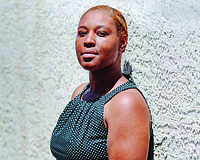
Mary Green suffered with Irlen Syndrome through her life and military career. Green was finally diagnosed last summer with the affliction and now wears tinted glasses to control it.
|
After 43 years, Fallon resident Mary Green can finally see clearly.
Green was recently diagnosed with Irlen syndrome, also known as scotopic sensitivity syndrome, and is experiencing a whole new world thanks to her colored lenses.
Irlen syndrome creates a problem in which the brain incorrectly processes what it sees through the eyes. People with Irlen syndrome see things move and swirl that otherwise should not. Theyre often very sensitive to bright light, see tracer images and sometimes see streamers from lights. As a result, they are often nauseated and experience frequent headaches.
Sufferers often have extreme difficulty reading and experience a variety of visual effects when reading text. A page of text may swirl and run together in waves. Parts of letters or words may appear washed out or there may be a halo effect, like a doubling of the text.
My world spins, Green said, adding that she can focus on a persons nose, but the rest of the face spins. She said she also gets severe motion sickness and car sickness.
Green has fought her entire life to read and comprehend and maintain her balance because her depth perception is affected. But that didnt stop her from functioning as a jet engine mechanic or attending college courses.
Green sits comfortably in her Fallon home with glasses in a reddish-brown shade. She explained the glasses are actually a combination of eight shades of color that help filter light so she can see as normally as possible. She said even though the glasses look dark to others, she sees just as brightly as people with normal vision.
She first became aware of a solution to her vision problem when visiting Dr. Jon Flotos Fallon chiropractic office last summer. Green saw a newly painted wall with a sponged effect and mentioned to the doctor she saw the wall moving. Agnes Floto, the doctors wife, was familiar with Irlen syndrome and directed Green to a screener who finally pinpointed Greens vision ailment.
Green said when she was screened and tried the colored lenses, her mind settled down and the spinning stopped immediately. She was even on anxiety medication because of the constant headaches and compulsive thinking.
Now Im slowed down, Green said.
The three weeks between the time she ordered her colored lenses and received them were the longest three weeks of her life she said. Green has been wearing her lenses for about two months, and even though she gets some strange looks for wearing dark glasses indoors, its worth it.
For 10-year-old Thea McQueen, reading has always been difficult, and she became quite adept at finding excuses to leave the classroom when reading time rolled around.
She said when she reads, she gets headaches at the front of her head, sick to her stomach and her friends tell her she goes pale. Worst of all, words swirled and appeared to fall off the page when she attempted to read. She knew it wasnt right, but she was afraid to speak up about it.
I didnt want to tell anybody, Thea said. I thought Id be a freak. I didnt want to be put in a nut house.
According to an informational CD from the Irlen Institute based in Long Beach, Calif., people with Irlen syndrome are often misdiagnosed with schizophrenia or other mental illnesses because they say things move.
After a school vision screening, the nurse told Theas mother she thought the girl had a lazy eye. Then her vision became worse and her left eye began to shut down. Johnnie Rae McQueen, Theas mother, worked for Dr. Floto and relayed the girls problems to him. He tested her peripheral vision and found it was 50 percent gone classic signs of a pituitary tumor.
After an MRI scan showed nothing, a stumped Floto began to reassess the symptoms and realized Thea may have Irlen syndrome. A screening in Reno in December finally gave the family some answers and tools to help Thea.
Since she received blue-colored overlays last month, her reading has already improved dramatically. Armed with a diagnosis, Johnnie Rae approached the school with accommodations for her daughters disability including wearing temporary sunglasses until her lenses arrive, colored overlays and other simple steps which will allow Thea to succeed in school. At first, the principal thought the girl was trying to be a trend-setting diva by wearing sunglasses indoors, but he relented when presented with evidence of Theas disability.
Johnnie Rae said her daughters teachers have been wonderful about helping Thea since she was diagnosed and she wishes more students could be screened for Irlen syndrome.
The institutes Web site states the syndrome can affect people in their academic work, behavior, attention spans, ability to sit still and concentration signs very similar to some students receiving special education services. Because these students often cant read properly, they disassociate from the activity and often day-dream and cause disruptions.
Boys become behavior problems and girls just shut down, said Dr. Floto, who himself has a mild form of the syndrome. He was diagnosed about 15 years ago when he took a family member to the California institute for screening.
For Thea, she is just looking forward to completing the fifth grade with her new colored lenses and proving her ability again.
Im not slow, Thea said adamantly. Her mother is also looking forward to continuing her education with the right tools in hand.
This is not a quick fix, Johnnie Rae said. This is a long journey. Theres a lot of things Thea has to relearn.
For more information on Irlen syndrome, visit www.irlen.com.
Green was recently diagnosed with Irlen syndrome, also known as scotopic sensitivity syndrome, and is experiencing a whole new world thanks to her colored lenses.
Irlen syndrome creates a problem in which the brain incorrectly processes what it sees through the eyes. People with Irlen syndrome see things move and swirl that otherwise should not. Theyre often very sensitive to bright light, see tracer images and sometimes see streamers from lights. As a result, they are often nauseated and experience frequent headaches.
Sufferers often have extreme difficulty reading and experience a variety of visual effects when reading text. A page of text may swirl and run together in waves. Parts of letters or words may appear washed out or there may be a halo effect, like a doubling of the text.
My world spins, Green said, adding that she can focus on a persons nose, but the rest of the face spins. She said she also gets severe motion sickness and car sickness.
Green has fought her entire life to read and comprehend and maintain her balance because her depth perception is affected. But that didnt stop her from functioning as a jet engine mechanic or attending college courses.
Green sits comfortably in her Fallon home with glasses in a reddish-brown shade. She explained the glasses are actually a combination of eight shades of color that help filter light so she can see as normally as possible. She said even though the glasses look dark to others, she sees just as brightly as people with normal vision.
She first became aware of a solution to her vision problem when visiting Dr. Jon Flotos Fallon chiropractic office last summer. Green saw a newly painted wall with a sponged effect and mentioned to the doctor she saw the wall moving. Agnes Floto, the doctors wife, was familiar with Irlen syndrome and directed Green to a screener who finally pinpointed Greens vision ailment.
Green said when she was screened and tried the colored lenses, her mind settled down and the spinning stopped immediately. She was even on anxiety medication because of the constant headaches and compulsive thinking.
Now Im slowed down, Green said.
The three weeks between the time she ordered her colored lenses and received them were the longest three weeks of her life she said. Green has been wearing her lenses for about two months, and even though she gets some strange looks for wearing dark glasses indoors, its worth it.
For 10-year-old Thea McQueen, reading has always been difficult, and she became quite adept at finding excuses to leave the classroom when reading time rolled around.
She said when she reads, she gets headaches at the front of her head, sick to her stomach and her friends tell her she goes pale. Worst of all, words swirled and appeared to fall off the page when she attempted to read. She knew it wasnt right, but she was afraid to speak up about it.
I didnt want to tell anybody, Thea said. I thought Id be a freak. I didnt want to be put in a nut house.
According to an informational CD from the Irlen Institute based in Long Beach, Calif., people with Irlen syndrome are often misdiagnosed with schizophrenia or other mental illnesses because they say things move.
After a school vision screening, the nurse told Theas mother she thought the girl had a lazy eye. Then her vision became worse and her left eye began to shut down. Johnnie Rae McQueen, Theas mother, worked for Dr. Floto and relayed the girls problems to him. He tested her peripheral vision and found it was 50 percent gone classic signs of a pituitary tumor.
After an MRI scan showed nothing, a stumped Floto began to reassess the symptoms and realized Thea may have Irlen syndrome. A screening in Reno in December finally gave the family some answers and tools to help Thea.
Since she received blue-colored overlays last month, her reading has already improved dramatically. Armed with a diagnosis, Johnnie Rae approached the school with accommodations for her daughters disability including wearing temporary sunglasses until her lenses arrive, colored overlays and other simple steps which will allow Thea to succeed in school. At first, the principal thought the girl was trying to be a trend-setting diva by wearing sunglasses indoors, but he relented when presented with evidence of Theas disability.
Johnnie Rae said her daughters teachers have been wonderful about helping Thea since she was diagnosed and she wishes more students could be screened for Irlen syndrome.
The institutes Web site states the syndrome can affect people in their academic work, behavior, attention spans, ability to sit still and concentration signs very similar to some students receiving special education services. Because these students often cant read properly, they disassociate from the activity and often day-dream and cause disruptions.
Boys become behavior problems and girls just shut down, said Dr. Floto, who himself has a mild form of the syndrome. He was diagnosed about 15 years ago when he took a family member to the California institute for screening.
For Thea, she is just looking forward to completing the fifth grade with her new colored lenses and proving her ability again.
Im not slow, Thea said adamantly. Her mother is also looking forward to continuing her education with the right tools in hand.
This is not a quick fix, Johnnie Rae said. This is a long journey. Theres a lot of things Thea has to relearn.
For more information on Irlen syndrome, visit www.irlen.com.


Home
News